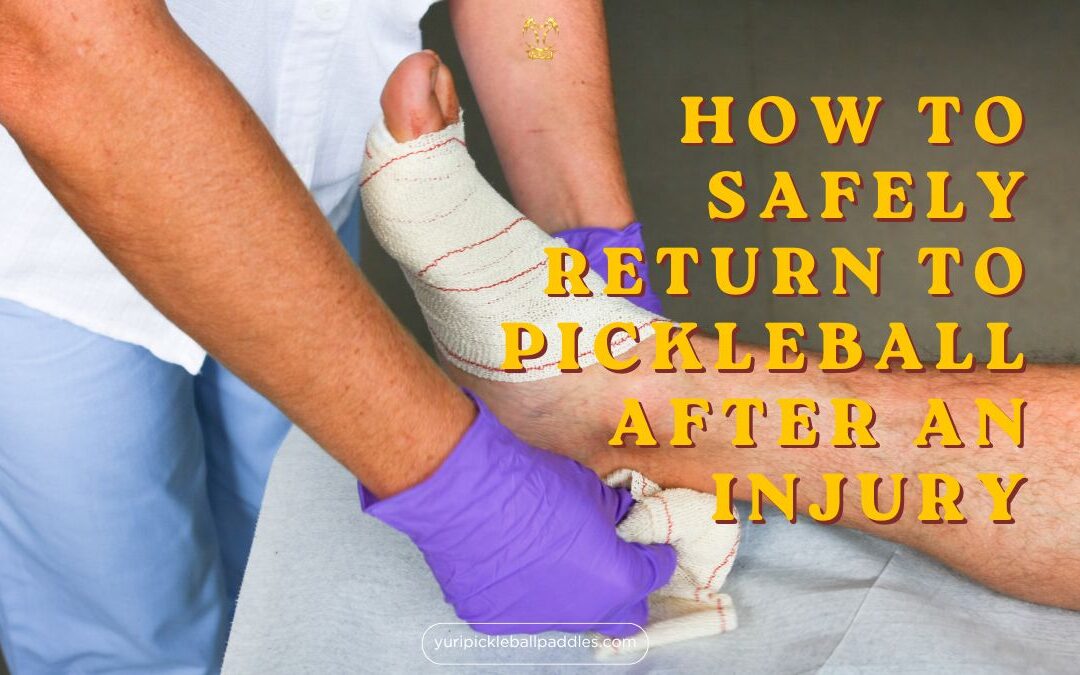
Pickleball is one of the fastest-growing sports in the world, attracting players of all ages because of its accessibility, social nature, and exciting gameplay. However, like any athletic activity, pickleball comes with the risk of injuries. Whether you've experienced a sprained ankle, strained muscle, tennis elbow, shoulder pain, or a more serious injury, returning to the court requires careful planning and patience.
Rushing back too soon can increase the likelihood of re-injury, prolong recovery, and negatively impact your long-term performance. Understanding how to safely return to pickleball after an injury can help you rebuild confidence, restore physical function, and enjoy the game for years to come.
Follow Your Healthcare Provider's Recommendations
Before returning to pickleball, obtain clearance from your healthcare provider, physical therapist, or sports medicine specialist. Medical professionals can assess whether the injured area has healed sufficiently and determine if you are ready to resume physical activity.
Every injury is unique. While one player may recover from a minor ankle sprain within a few weeks, another may require several months of rehabilitation. Following professional guidance helps ensure that your recovery timeline aligns with your body's actual healing process.
Complete Your Rehabilitation Program
Many athletes make the mistake of stopping rehabilitation once the pain subsides. However, the absence of pain does not necessarily indicate full recovery.
A comprehensive rehabilitation program focuses on restoring:
- Strength
- Flexibility
- Range of motion
- Balance
- Stability
- Functional movement patterns
For pickleball players, rehabilitation should address the specific demands of the sport, including lateral movement, quick directional changes, lunging, and overhead shots. Completing your prescribed exercises can significantly reduce the risk of recurring injuries.
Start with Light Physical Activity
Jumping directly into competitive matches is rarely advisable after an injury. Instead, gradually reintroduce physical activity to assess how your body responds.
Begin with low-impact exercises such as:
- Walking
- Stationary cycling
- Swimming
- Light stretching
- Mobility drills
As your strength and endurance improve, you can incorporate pickleball-specific movements, including side shuffles, controlled lunges, and gentle court drills.
This progressive approach allows you to identify any lingering discomfort before returning to full-intensity play.
Rebuild Strength and Conditioning
Many injuries result in temporary muscle weakness due to inactivity during recovery. Rebuilding strength is essential before resuming regular pickleball sessions.
Focus on strengthening key muscle groups involved in pickleball performance:
Lower Body
- Quadriceps
- Hamstrings
- Glutes
- Calves
Core
- Abdominals
- Obliques
- Lower back muscles
Upper Body
- Rotator cuff muscles
- Forearms
- Shoulders
- Upper back
A well-rounded strength-training program improves stability, enhances performance, and helps protect vulnerable joints from excessive stress.
Ease Back into Pickleball Gradually
Your first day back on the court should not resemble a tournament match.
Start with:
- Short practice sessions
- Controlled rallies
- Half-court games
- Skill-focused drills
Limit playing time initially and monitor your body's response during and after activity. Mild soreness may be expected, but sharp pain, swelling, or instability are warning signs that you may be progressing too quickly.
Increase intensity, duration, and frequency incrementally over several weeks rather than attempting to return to your previous level immediately.
Prioritize Proper Warm-Ups
A dynamic warm-up prepares your muscles, joints, and cardiovascular system for the demands of pickleball.
Effective warm-up activities may include:
- Arm circles
- Leg swings
- Walking lunges
- Side shuffles
- Light jogging
- Dynamic stretches
Warming up improves blood flow, increases mobility, and reduces the likelihood of muscle strains and other soft tissue injuries.
Use Appropriate Equipment
The right equipment can play a significant role in injury prevention and recovery.
Consider:
- Supportive court shoes with proper traction
- Braces or supports recommended by your healthcare provider
- A paddle that suits your playing style and physical capabilities
- Shock-absorbing insoles if needed
Players recovering from elbow or shoulder injuries may benefit from experimenting with paddle weight, grip size, and vibration-dampening accessories to reduce stress on affected areas.
Listen to Your Body
One of the most important skills during recovery is learning to recognize your body's signals.
Pay attention to:
- Persistent soreness
- Joint swelling
- Reduced range of motion
- Muscle fatigue
- Sharp or recurring pain
Ignoring these symptoms can transform a minor setback into a major injury. If symptoms return, reduce activity levels and consult your healthcare provider before continuing.
Focus on Injury Prevention Going Forward
Returning to pickleball after an injury presents an opportunity to develop healthier training habits.
To reduce future injury risk:
- Maintain a consistent strength-training routine
- Improve flexibility and mobility
- Practice proper technique
- Stay hydrated
- Allow adequate recovery between sessions
- Avoid overtraining
- Cross-train with complementary activities
Many common pickleball injuries result from repetitive stress, poor movement mechanics, or insufficient recovery. Addressing these factors can significantly improve long-term durability.
Recovering from a Pickleball Injury
Recovering from a pickleball injury requires patience, discipline, and a strategic approach. Returning too quickly can lead to setbacks, while a gradual and well-structured recovery plan can help you regain confidence and performance safely.
By following medical advice, completing rehabilitation, rebuilding strength, and easing back into play, you can successfully return to the court while minimizing the risk of re-injury. Remember that recovery is not just about getting back to pickleball—it's about returning stronger, smarter, and better prepared for the demands of the game.
With the right mindset and preparation, you'll be back enjoying rallies, dinks, and competitive matches while protecting your long-term health and athletic performance.